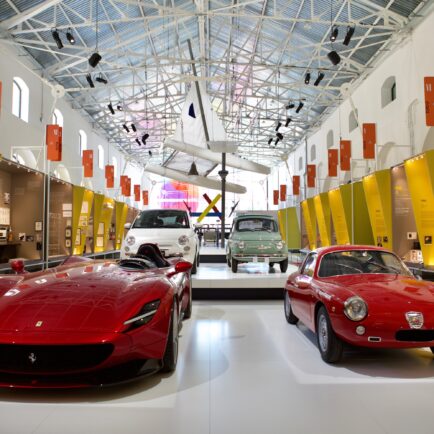
ADI. The compass of taste

Interview with Giuseppe Finessi
The museum is not only a place that preserves works and valuable objects, but also a key player in doing research, and the result of this can only be that of sharing, and therefore, of dissemination.
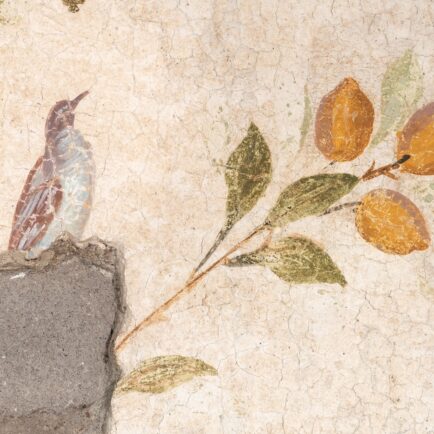
Domus Tiberiana. Imago imperii

On 21 September 2023 the Colosseum Archaeological Park opened the Domus Tiberiana to the public, almost 50 years after the onset of the serious structural problems that had led to its closure and following important restoration interventions.

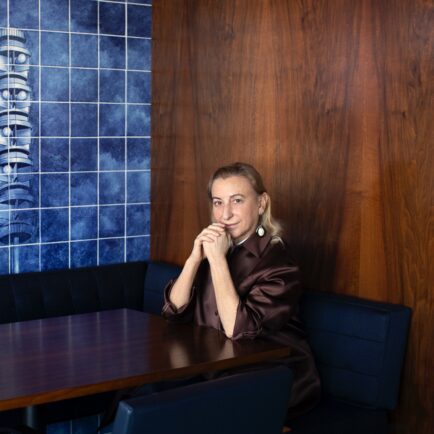
Miuccia Prada heads the Foundation

Miuccia Prada has formalized her role as Fondazione Prada’s Director and confirmed her personal commitment to present and future projects, as she has done in the last three decades.

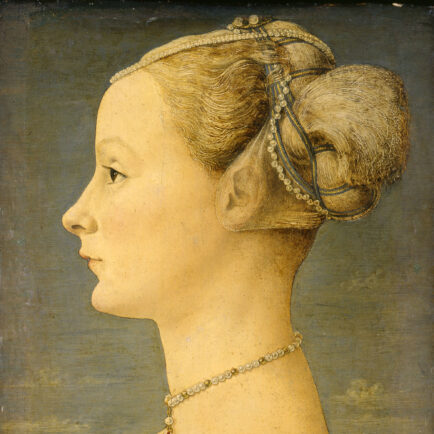
Museo Poldi Pezzoli. Through art we know beauty

Today, the collection comprises more than 6000 objects including paintings, sculptures, ceramics, glass, weapons, gold, watches and textiles. For each collection, the museum holds extraordinary masterpieces, considered by critical literature to be the most important in the world. (…)

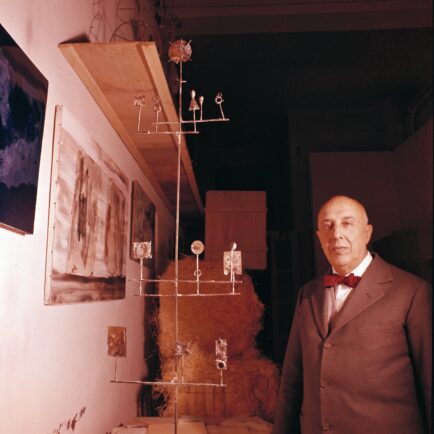
Fausto Melotti. Anti – sculpture with music and poetry

by Francesca Pola
The creative language of Fausto Melotti, one of the most important figures of European sculpture from the 1930’s onwards, developed into greater maturity in Milan between the two wars, a city in which abstract art and rationalist architecture (…)

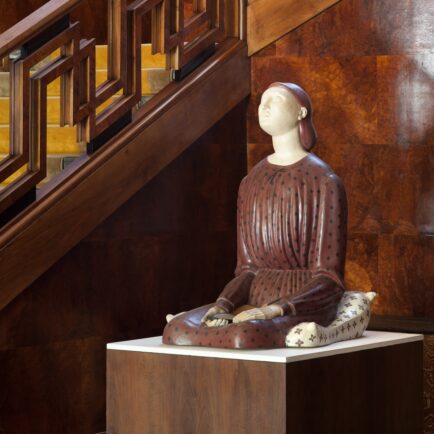
Villa Necchi Campiglio and the original modernity

by Lucia Borromeo
Milan, Via Mozart 14: a historic address in the centre of one of the busiest cities in Europe. At this address, hidden right at the very heart of the metropolis and in the middle of a garden with a swimming pool and vegetable garden, lies Villa Necchi Campiglio, a house that was built between 1932 and 1935, by Piero Portaluppi.

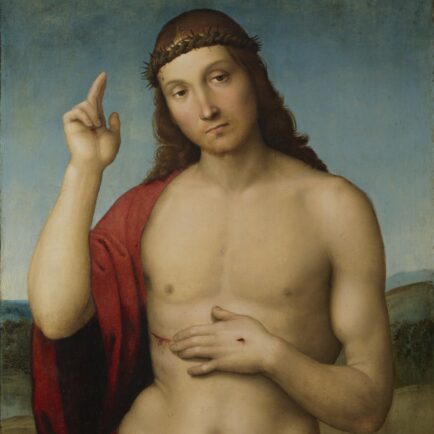
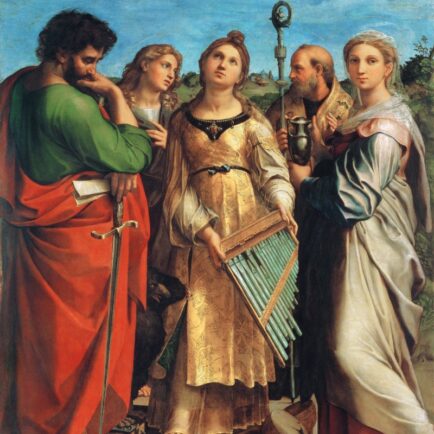
Pinacoteca Tosio Martinengo. Classically modern

The decision to collect for Paolo Tosio came after an exciting stay in Rome, a stop along with Florence and Naples on the artistic journey he made between 1807 and 1808 with his wife Paola Bergonzi. He only went there once, but that was enough to make him fall in love with ancient art and Raphael, but also with contemporary art, because it was in Rome that he got to know and frequent the circle of artists who were most avant-garde at the time.

Pinacoteca Nazionale di Bologna. A house to live in

The people of Bologna, those who live in this city, must perceive the Pinacoteca as a place that belongs to them, not only because it is a public institution, but also because it preserves a collection closely linked to the territory, which tells its story through artistic documents of the highest quality from the 14th to the 19th century.

Fondazione Scuola Beni Attività Culturali. Today is already tomorrow

Our aim is to offer the national museum system as a whole new professionals, and at the same time to intuit what will be the professions of tomorrow, in the knowledge that different disciplines need to be networked. (…) The School wants to be the bearer of cultural values that go in this direction, that is, to dialogue, to connect, to relate what we considered distant until a few years ago. A mission that I believe is important.

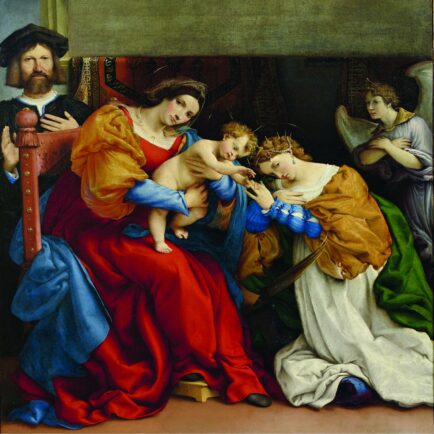
Accademia Carrara. The House of Collectors

The Accademia Carrara’s holdings consist of 98% private bequests. Since its foundation, there have been more than 260 donors, with an admirable adherence to Giacomo Carrara’s project that has continued for more than two hundred years, and that has led to the identification of the Carrara with the “museum of collecting”.